

- Messages
- 5,147
- Reaction score
- 2,188
- Points
- 113
Core strength is the foundation of overall fitness. It involves the muscles that stabilize your spine, pelvis, and torso, enabling efficient movement and reducing the risk of injury. A strong core improves stability, balance, and functional strength, essential for daily activities, athletic performance, and long-term health.
Whether lifting weights, running, or performing everyday tasks, your core is constantly engaged. Strengthening these muscles enhances posture, reduces lower back pain, and supports a healthy lifestyle.
Core muscles are vital for maintaining stability and balance. They act as a central axis, transferring force between the upper and lower body. A strong core allows for better control during movements like bending, twisting, and lifting, ensuring efficiency and reducing the risk of injury.
Adding equipment can enhance your core workouts:
Incorporate movements that mimic real-life activities. Functional exercises like kettlebell swings, farmer’s carries, and lunges with a twist improve strength and coordination, making your core cohesive.
Plyometric exercises like jump squats and burpees can also engage your core dynamically, enhancing power and agility.
Start with 2-3 sets of 10-15 repetitions for each exercise. Gradually increase resistance, duration, or intensity as your strength improves to ensure continuous progress. Progressive overload is key to building and maintaining core strength.
Proper breathing enhances core activation. Practice exhaling during the effort phase of an exercise to maximize engagement. For isolation, focus on slow, controlled movements that target specific core muscles, like performing planks with deliberate, small adjustments.
Core strength improves coordination by creating a stable base for all movements. Athletes benefit from increased power, balance, and endurance, critical for excelling in sports and physical activities.
Aim for 2-3 core-specific workouts per week, allowing time for recovery and focusing on quality over quantity.
Can core exercises help with back pain?
Yes, strengthening your core can improve posture and provide better spinal support, reducing back pain over time.
Do I need equipment for an effective core workout?
While equipment can enhance workouts, body-weight exercises like planks and crunches are highly effective.
Whether lifting weights, running, or performing everyday tasks, your core is constantly engaged. Strengthening these muscles enhances posture, reduces lower back pain, and supports a healthy lifestyle.
Understanding Core Muscles
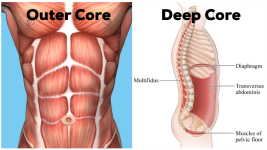
The core includes several muscle groups that stabilize and support the body. The primary muscles are:- Rectus Abdominis: Known as the "six-pack" muscles, they help with flexion and stability.
- Transverse Abdominis: These deep muscles act as a corset, protecting your spine and internal organs.
- Obliques: Located on the sides of your abdomen, they assist with rotation and lateral flexion.
- Erector Spinae: This group of muscles in your lower back supports spinal extension and posture.
- Pelvic Floor Muscles: These muscles provide additional stability for the pelvis.
Core muscles are vital for maintaining stability and balance. They act as a central axis, transferring force between the upper and lower body. A strong core allows for better control during movements like bending, twisting, and lifting, ensuring efficiency and reducing the risk of injury.
Core Strength Exercises
Body weight exercises are simple yet effective for targeting core muscles:- Planks: Engage your entire core by holding a straight-body position on your forearms and toes.
- Crunches: Focus on the rectus abdominis by lifting your upper body off the floor.
- Leg Raises: Strengthen the lower abs by lifting your legs while lying on your back.
- Russian Twists: Work on rotational strength by twisting your torso side to side while seated.
Adding equipment can enhance your core workouts:
- Stability Ball Rollouts: Use a stability ball to challenge balance and engage deep core muscles.
- Medicine Ball Slams: Combine power and core engagement by slamming a medicine ball to the ground.
- Resistance Band Woodchops: Mimic rotational movements to target the obliques and improve functional strength.
Integrating Core Workouts into Routine
Proper engagement is crucial for effective core training. Focus on bracing your core by tightening your abdominal muscles as if preparing for impact. This ensures the right muscles are activated during each exercise.Incorporate movements that mimic real-life activities. Functional exercises like kettlebell swings, farmer’s carries, and lunges with a twist improve strength and coordination, making your core cohesive.
Designing an Effective Core Workout Routine
Combine multiple exercises into a circuit to increase intensity and efficiency. For example:- Plank (30 seconds)
- Russian Twists (15 reps per side)
- Stability Ball Rollouts (10 reps)
- Medicine Ball Slams (12 reps) Repeat the circuit 2-3 times for a full-core workout.
Plyometric exercises like jump squats and burpees can also engage your core dynamically, enhancing power and agility.
Start with 2-3 sets of 10-15 repetitions for each exercise. Gradually increase resistance, duration, or intensity as your strength improves to ensure continuous progress. Progressive overload is key to building and maintaining core strength.
Supporting Core Strength Development
Begin each workout with a warm-up to prepare your muscles and prevent injury. Dynamic stretches, such as torso twists and cat-cow stretches, improve flexibility and activate the core. After your workout, cool down with static stretches to relax muscles and promote recovery.Proper breathing enhances core activation. Practice exhaling during the effort phase of an exercise to maximize engagement. For isolation, focus on slow, controlled movements that target specific core muscles, like performing planks with deliberate, small adjustments.
Benefits of a Strong Core
A strong core provides better support for the spine, reducing the likelihood of injuries. It also enhances mobility, making bending, twisting, and reaching more efficient and less strenuous.Core strength improves coordination by creating a stable base for all movements. Athletes benefit from increased power, balance, and endurance, critical for excelling in sports and physical activities.
Frequently Asked Questions
How often should I train my core?Aim for 2-3 core-specific workouts per week, allowing time for recovery and focusing on quality over quantity.
Can core exercises help with back pain?
Yes, strengthening your core can improve posture and provide better spinal support, reducing back pain over time.
Do I need equipment for an effective core workout?
While equipment can enhance workouts, body-weight exercises like planks and crunches are highly effective.