


- Messages
- 5,102
- Reaction score
- 2,169
- Points
- 113
Strength training is a crucial component of any decent fitness routine. Whether you’re an athlete, a fitness enthusiast, or simply looking to improve your overall health and physique, building strength and being able to do more work is key. When it comes to putting together a strength training program, though, one common question often shows up regarding load progression: should you focus on lifting heavier weights for fewer repetitions or use a lighter load for more reps?
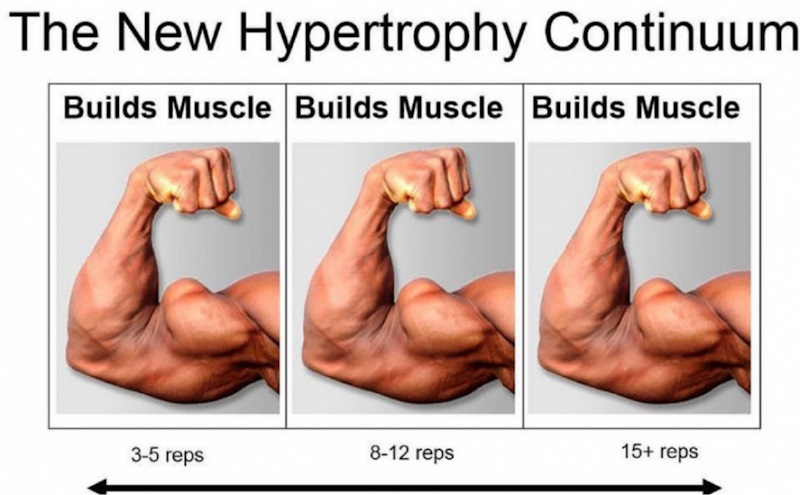
The more scientifical evidence we accumulate on this topic, the more confidence we have that pretty much all rep ranges will cause a very similar increase in whole muscle growth, or hypertrophy (although muscular strength may vary) as long as you go close to failure. With that being said, both approaches have their merits, and the best approach is probably a mix of both and will ultimately depend on your specific goals, current fitness level, and individual preferences. Let’s dig into the benefits of each approach to help you make an informed decision:
First, what does higher loads with fewer reps offer you?
Now, what about keeping a lower load with higher reps?
Without a doubt, the most effective strength training program will likely involve elements of both approaches. Periodization, a method of training that involves altering the volume and intensity of workouts over time, can be a powerful tool here. This allows you to cycle between higher loads with fewer reps and the same load with more reps, providing a well-rounded approach to strength development, speeding up results and greatly reducing risk of injury.
In conclusion, the “best” approach for building strength depends on a bunch of factors including age, fitness level, genetic makeup, personal goals and circumstances. Both higher loads with fewer reps and lower load with more reps have distinct advantages. By intelligently incorporating elements of both approaches, you can create a balanced strength training regimen that maximizes your progress and minimizes the risk of overuse injuries. Consistency, proper form, and progressive overload (and “overload” can be from weights, reps, resting periods, etc.) are key components regardless of the approach you choose.
The more scientifical evidence we accumulate on this topic, the more confidence we have that pretty much all rep ranges will cause a very similar increase in whole muscle growth, or hypertrophy (although muscular strength may vary) as long as you go close to failure. With that being said, both approaches have their merits, and the best approach is probably a mix of both and will ultimately depend on your specific goals, current fitness level, and individual preferences. Let’s dig into the benefits of each approach to help you make an informed decision:
First, what does higher loads with fewer reps offer you?
Muscle fibers recruitment:
Neural adaptations:
Powerlifting and strength sports:
Time efficiency (not always):
Now, what about keeping a lower load with higher reps?
Muscular endurance:
Reduced risk of injury:
Metabolic demand:
Versatility and accessibility:
Without a doubt, the most effective strength training program will likely involve elements of both approaches. Periodization, a method of training that involves altering the volume and intensity of workouts over time, can be a powerful tool here. This allows you to cycle between higher loads with fewer reps and the same load with more reps, providing a well-rounded approach to strength development, speeding up results and greatly reducing risk of injury.
In conclusion, the “best” approach for building strength depends on a bunch of factors including age, fitness level, genetic makeup, personal goals and circumstances. Both higher loads with fewer reps and lower load with more reps have distinct advantages. By intelligently incorporating elements of both approaches, you can create a balanced strength training regimen that maximizes your progress and minimizes the risk of overuse injuries. Consistency, proper form, and progressive overload (and “overload” can be from weights, reps, resting periods, etc.) are key components regardless of the approach you choose.


