


- Messages
- 4,135
- Reaction score
- 1,814
- Points
- 113
The liver maintains overall health by filtering toxins, aiding digestion, and regulating metabolism. Ensuring its long-term well-being is crucial for sustaining overall bodily functions. Protecting the liver requires a combination of healthy lifestyle choices, dietary considerations, and awareness of common threats that may compromise its function.
Long-term strategies for liver health focus on sustainability, ensuring that the liver remains resilient against potential harm over time.
A healthy liver contributes to overall well-being by supporting the immune system, maintaining balanced blood sugar levels, and regulating cholesterol. When the liver functions optimally, the body can efficiently process nutrients and eliminate toxins, reducing the risk of chronic diseases.
Non-Alcoholic Fatty Liver Disease (NAFLD) is a worldwide concern, primarily linked to obesity, poor diet, and insulin resistance. This condition results in fat accumulation within the liver, leading to inflammation and potential liver damage over time. This disease can progress to more severe liver diseases.
Toxins from food and the environment, including pesticides, heavy metals, and industrial pollutants, can burden the liver. Processed foods containing artificial additives and trans fats contribute to liver stress, making it essential to minimize exposure to such harmful substances.
Avoiding processed foods, excessive sugar, and unhealthy fats helps prevent liver stress. Foods containing refined sugars and saturated fats contribute to fat buildup in the liver, increasing the risk of NAFLD. Prioritizing whole foods and natural sources of nutrition enhances liver resilience over time.
Green tea contains antioxidants like catechins that help protect liver cells from damage. These natural compounds promote detoxification and reduce oxidative stress, contributing to long-term liver health.
Aerobic exercises like walking, cycling, and swimming reduce liver fat and improve insulin sensitivity. Strength training also contributes to overall metabolic health and further supports liver function.
Omega-3 fatty acids, vitamin E, and other essential nutrients significantly reduce inflammation and prevent oxidative damage. Omega-3s, found in fatty fish and flaxseeds, help regulate liver fat levels, while vitamin E is also an antioxidant that protects liver cells from stress.
While some liver detox practices claim to provide rapid benefits, many are unnecessary and may even be harmful. Extreme detox regimens can place undue stress on the liver and digestive system. Sustainable, long-term dietary and lifestyle habits are far more effective in supporting liver health.
Managing stress is crucial for liver health, as stress leads to hormonal imbalances and inflammation. Meditation, breathing exercises, and engaging in enjoyable activities reduce stress and promote well-being.
Sleep plays a vital role in liver regeneration. During sleep, the liver undergoes repair and detoxification, making quality rest essential for optimal function. Regularly sleeping and prioritizing rest enhance liver resilience and overall health.
Early signs of liver issues may include fatigue, loss of appetite, nausea, jaundice (yellowing of the skin and eyes), and unexplained weight loss. Regular health check-ups and specific tests can help detect issues early.
How often should I detox my liver?
The liver naturally detoxifies itself daily, so extreme detox regimens are unnecessary. Instead, maintaining a healthy diet, staying hydrated, and avoiding excessive alcohol and processed foods support long-term liver function.
Can liver damage be reversed?
In some cases, you can reverse early-stage liver damage, such as fatty liver disease by changing your lifestyle and diet, doing regular exercise, and alcohol moderation. However, advanced conditions like cirrhosis may cause irreversible damage.
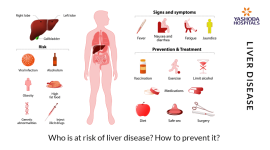
Long-term strategies for liver health focus on sustainability, ensuring that the liver remains resilient against potential harm over time.
Importance of Liver in Overall Health
The liver is responsible for detoxification and eliminating harmful substances from the body. It also functions in metabolism by processing nutrients, converting them into energy, and storing essential vitamins and minerals. The liver also produces bile to digest fats and absorb fat-soluble vitamins.A healthy liver contributes to overall well-being by supporting the immune system, maintaining balanced blood sugar levels, and regulating cholesterol. When the liver functions optimally, the body can efficiently process nutrients and eliminate toxins, reducing the risk of chronic diseases.
Common Threats to Liver Health
Excessive alcohol consumption places significant stress on the liver, leading to inflammation and increasing the risks of having fatty liver disease, hepatitis, and cirrhosis. The liver metabolizes alcohol, but frequent consumption can overwhelm its capacity, causing long-term damage.Non-Alcoholic Fatty Liver Disease (NAFLD) is a worldwide concern, primarily linked to obesity, poor diet, and insulin resistance. This condition results in fat accumulation within the liver, leading to inflammation and potential liver damage over time. This disease can progress to more severe liver diseases.
Toxins from food and the environment, including pesticides, heavy metals, and industrial pollutants, can burden the liver. Processed foods containing artificial additives and trans fats contribute to liver stress, making it essential to minimize exposure to such harmful substances.
Key Long-Term Strategies for Liver Protection
Dietary Choices
A balanced diet of leafy vegetables, lean proteins, and antioxidants supports liver function by providing essential nutrients that aid detoxification and cell regeneration. Foods such as garlic, turmeric, and citrus fruits promote better liver by reducing inflammation and improving enzyme activity.Avoiding processed foods, excessive sugar, and unhealthy fats helps prevent liver stress. Foods containing refined sugars and saturated fats contribute to fat buildup in the liver, increasing the risk of NAFLD. Prioritizing whole foods and natural sources of nutrition enhances liver resilience over time.
Staying Hydrated
Water flushes toxins from the body and maintains optimal liver function. Adequate hydration supports blood circulation and assists the liver in metabolizing and eliminating waste.Green tea contains antioxidants like catechins that help protect liver cells from damage. These natural compounds promote detoxification and reduce oxidative stress, contributing to long-term liver health.
Exercise and Physical Activity
Regular exercise improves liver function by enhancing circulation, reducing inflammation, and preventing fat accumulation in liver cells. Being active aids in maintaining a desirable weight, essential for avoiding NAFLD and metabolic disorders.Aerobic exercises like walking, cycling, and swimming reduce liver fat and improve insulin sensitivity. Strength training also contributes to overall metabolic health and further supports liver function.
Holistic and Natural Liver Support
Certain herbal supplements have liver-protective properties. Milk thistle contains silymarin, a compound known for its antioxidant and anti-inflammatory effects on liver cells. Dandelion root promotes digestion and liver detoxification.Omega-3 fatty acids, vitamin E, and other essential nutrients significantly reduce inflammation and prevent oxidative damage. Omega-3s, found in fatty fish and flaxseeds, help regulate liver fat levels, while vitamin E is also an antioxidant that protects liver cells from stress.
While some liver detox practices claim to provide rapid benefits, many are unnecessary and may even be harmful. Extreme detox regimens can place undue stress on the liver and digestive system. Sustainable, long-term dietary and lifestyle habits are far more effective in supporting liver health.
Lifestyle Modifications for Sustained Liver Health
Limiting alcohol intake is one of the most impactful ways to protect the liver. The liver can recover from mild damage, but consistent alcohol consumption can lead to irreversible harm. Moderation and occasional abstinence allow the liver to heal and maintain proper function.Managing stress is crucial for liver health, as stress leads to hormonal imbalances and inflammation. Meditation, breathing exercises, and engaging in enjoyable activities reduce stress and promote well-being.
Sleep plays a vital role in liver regeneration. During sleep, the liver undergoes repair and detoxification, making quality rest essential for optimal function. Regularly sleeping and prioritizing rest enhance liver resilience and overall health.
Frequently Asked Questions
What are the early signs of liver problems?Early signs of liver issues may include fatigue, loss of appetite, nausea, jaundice (yellowing of the skin and eyes), and unexplained weight loss. Regular health check-ups and specific tests can help detect issues early.
How often should I detox my liver?
The liver naturally detoxifies itself daily, so extreme detox regimens are unnecessary. Instead, maintaining a healthy diet, staying hydrated, and avoiding excessive alcohol and processed foods support long-term liver function.
Can liver damage be reversed?
In some cases, you can reverse early-stage liver damage, such as fatty liver disease by changing your lifestyle and diet, doing regular exercise, and alcohol moderation. However, advanced conditions like cirrhosis may cause irreversible damage.