

- Messages
- 4,769
- Reaction score
- 2,067
- Points
- 113
To compete at the Mr. Olympia level, you need to be able to complete seven required poses: front double biceps, front lat spread, side chest, side triceps, back double biceps, rear lat spread, and abs and thighs. Judges look for muscle symmetry, conditioning, and technical accuracy in each pose; each one has to be perfect. Small mistakes in your positioning can have a big effect on your score.
On the other hand, champions are those who can control their breathing and flex their muscles at the same time, while contenders who have trouble with these difficult technical requirements are not.
As judges analyze the same postures across the lineup, they pay close attention to every element of your conditioning and dimensions, making your muscle symmetry the most important thing.
Every stance in your routine has a function. For example, some poses show off different muscular groups, while others test how well you can present yourself on stage under pressure. You can't just rely on your genes; technical accuracy is what makes champions stand out from the others.
Keep practicing these poses until you get them right, knowing that even little mistakes in your placement might lose you points when the smallest margins choose placements.
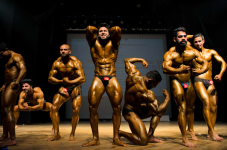
When you switch to a front lat spread, you can show off the width of your upper body by flaring your lats as much as possible while maintaining your shoulders down. Muscle separation and vascularity make it clear right away what your conditioning criteria are.
Both positions demand flawless posture under stage lights, as judges start to judge the contestants' bodies within seconds. Learn these basic stances to get respect right away and set the tone for the rest of your routine.
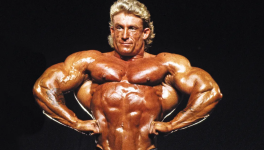
In the side chest posture, you'll show off the depth of your chest, the taper from your shoulders to your waist, and the thickness of your legs. At the same time, you'll keep perfect symmetry between the visible sides and the hidden sides. Judges look at how well you can control your muscles by how well you can switch positions and hold them while you're tired.
To get the most out of your triceps sweep without ruining the V-taper illusion in your torso, you need to place your arms just right in the side triceps pose. Some common faults are bending your back leg too far, losing core stiffness, or letting your breathing mess up your pose's stability.
These judging standards favor athletes who have mastered three-dimensional development over only frontal mass.
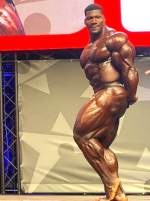
Your back double biceps need superb muscular control to show off your rear deltoid caps, rhomboid thickness, and bicep peaks at the same time. To get that V-taper you want without making your arms look too big, keep your lats flared out a little.
For the back lat spread, you need to fully extend your lats while making sure the erector spinae is still visible. At this point, your stage presence is really important. You need to manage your breathing, activate your glutes, and maintain your hamstrings tight.
In competition bodybuilding, these back postures often decide who wins and who loses since they show conditioning, symmetry, and structural balance that front poses can't.
The abdominals and thighs position is different from the back double biceps or most muscular pose since you have to flex both at the same time without losing the tightness in your waist. Under harsh stage lighting, IFBB Pro League judges look closely at the separation of the quads, the definition of the calf diamonds, and the segmentation of the abs.
You need to learn how to control your breathing when flexing because not getting enough oxygen makes your muscles less full. Where you put your hands affects how visible your quads are: too high hides striations, while too low makes the proportions look bad.
Elite Mr. Olympia competitors practice this stance over and over again until their muscles remember it so well that they don't make mistakes when they're tired.
On the other hand, champions are those who can control their breathing and flex their muscles at the same time, while contenders who have trouble with these difficult technical requirements are not.
Master All Seven Mr. Olympia Mandatory Poses
A lot of bodybuilders want to compete at the Mr. Olympia stage, but only those who have mastered the seven required positions may do so. You'll have to do each posture perfectly, from front double biceps to rear lat spread, because bodybuilding judges have very strict standards.As judges analyze the same postures across the lineup, they pay close attention to every element of your conditioning and dimensions, making your muscle symmetry the most important thing.
Every stance in your routine has a function. For example, some poses show off different muscular groups, while others test how well you can present yourself on stage under pressure. You can't just rely on your genes; technical accuracy is what makes champions stand out from the others.
Keep practicing these poses until you get them right, knowing that even little mistakes in your placement might lose you points when the smallest margins choose placements.
Front Double Biceps and Front Lat Spread
You perform the front double biceps and front lat spread first to immediately demonstrate your readiness to the judges. Your front double biceps need peak arm development with synchronized flexion. It will give you the most bicep height while keeping your shoulders wide. Twist your wrists outward, tighten your core, and have a confident look on your face the whole while.When you switch to a front lat spread, you can show off the width of your upper body by flaring your lats as much as possible while maintaining your shoulders down. Muscle separation and vascularity make it clear right away what your conditioning criteria are.
Both positions demand flawless posture under stage lights, as judges start to judge the contestants' bodies within seconds. Learn these basic stances to get respect right away and set the tone for the rest of your routine.
Side Chest and Side Triceps
Front poses give you your first impression, but side chest and side triceps poses show the real depth and thickness that set Mr. Olympia contestants apart from those who only appear good from the front.In the side chest posture, you'll show off the depth of your chest, the taper from your shoulders to your waist, and the thickness of your legs. At the same time, you'll keep perfect symmetry between the visible sides and the hidden sides. Judges look at how well you can control your muscles by how well you can switch positions and hold them while you're tired.
To get the most out of your triceps sweep without ruining the V-taper illusion in your torso, you need to place your arms just right in the side triceps pose. Some common faults are bending your back leg too far, losing core stiffness, or letting your breathing mess up your pose's stability.
These judging standards favor athletes who have mastered three-dimensional development over only frontal mass.
Back Double Biceps and Rear Lat Spread
When you turn your back to the judges at Mr. Olympia, you show off your biggest muscles with back double biceps and rear lat spread postures. These required poses show full back development, which is what sets champions apart from contenders.Your back double biceps need superb muscular control to show off your rear deltoid caps, rhomboid thickness, and bicep peaks at the same time. To get that V-taper you want without making your arms look too big, keep your lats flared out a little.
For the back lat spread, you need to fully extend your lats while making sure the erector spinae is still visible. At this point, your stage presence is really important. You need to manage your breathing, activate your glutes, and maintain your hamstrings tight.
In competition bodybuilding, these back postures often decide who wins and who loses since they show conditioning, symmetry, and structural balance that front poses can't.
Mr. Olympia Conditioning Requirements and Pose Perfection
The abs and thighs obligatory pose is the most technically difficult position in bodybuilding at the Mr. Olympia level since it focuses on seven different muscle groups. You need to have razor-sharp conditioning in your core, quadriceps, and calves while keeping your body perfectly aligned.The abdominals and thighs position is different from the back double biceps or most muscular pose since you have to flex both at the same time without losing the tightness in your waist. Under harsh stage lighting, IFBB Pro League judges look closely at the separation of the quads, the definition of the calf diamonds, and the segmentation of the abs.
You need to learn how to control your breathing when flexing because not getting enough oxygen makes your muscles less full. Where you put your hands affects how visible your quads are: too high hides striations, while too low makes the proportions look bad.
Elite Mr. Olympia competitors practice this stance over and over again until their muscles remember it so well that they don't make mistakes when they're tired.