


- Messages
- 4,769
- Reaction score
- 2,067
- Points
- 113
The wrist ride changes the way you play top control by attacking your opponent's weakest leverage point, which makes it harder for them to set up a solid base or make quick movements. From this distal joint, you'll be able to control the whole kinetic chain. It will limit movement while keeping your hips and weight forward to keep pressure on.
This method creates scoring chances by tilting, cradling, and getting back points, while also putting opponents in bad biomechanical positions. Learn how to set it up so you can use it to its best capacity.
This top control wrestling approach doesn't employ heavy pressure or complicated grips as other rides do. Instead, it uses precise wrist manipulation to control your opponent's movement.
When you control the wrist, you control the whole kinetic chain. Your opponent can't set up a solid base or make quick movements because their base is weak. This strategy for immobilizing an opponent makes it harder for them to do stand-ups, sit-outs, or switches correctly.
The best thing about riding with wrist control and pressure is how well it works. You're not forcing your way into postures; you're taking advantage of how your body works. Smart mat wrestling methods put more emphasis on leverage than strength, and the wrist ride is a great example of this.
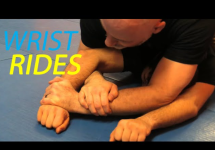
You can break down your opponent's wrist control by holding their wrist with your inner hand while keeping pressure on their back with your hips. Put most of your weight on the front and bottom of your body, and push through your opponent's base instead of just retaining your position.
Your ride pressure has to stay active; you need to keep changing your grip and body position as your opponent moves. You can then move into pinning combinations like cradles or arm bars when the chance arises. To keep your wrist dominance throughout the match, you need to be able to read your opponent's movement patterns and predict when they will try to escape.
Your breakdown procedures work much better when you manage the terminal link that connects to their whole arm structure.
Opponents have a hard time because wrist control takes away their capacity to use their upper body to produce explosive power. You are now limiting the synchronized movement of your arms that is needed for any escape attempt, whether it's a sit-out, stand-up, or roll.
This control-based wrestling style gives you the most control over your scores while also giving you the most riding time without seeming like you're stuck. You're basically making them work with bad biomechanics while keeping a better position.
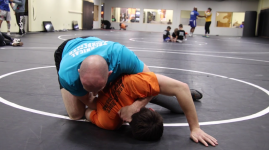
Your ability to control your opponent's riding is the basis for building up deadly tilts and cradles. You may make the angles you need for near-fall scoring chances by moving your opponent's wrist. The damaged base puts them in weak spots where pinning series entries are easy to get to.
Your dominance at the top makes it easy for diverse strikes to flow into each other. With wrist control shift setups, you may switch from basic rides to arm bars, spiral rides, or cross-face cradles without losing contact. This constant pressure keeps your opponents on the defensive instead of the offensive, which gives you the best chance to score for the whole time.
If you make critical positioning mistakes that change your dominant wrist ride into a neutral scramble, perfect technique doesn't matter anything.
The worst thing you can do is grip the wrist too tightly, which causes static tension instead of dynamic pressure. While your opponent constructs a base underneath you, you'll burn energy. On the other hand, under-gripping makes it simple for your wrist to slip while you move.
Mistakes in hip alignment can swiftly end wrist rides. If you sit too high, you lose weight pressure, and if you sit too low, you lose mobility and the ability to make angles. You need to find that perfect spot where your hips push down while still being able to move them.
Tunnel vision on the wrist connection leads to positional neglect. You'll lose track of your opponent's hips and legs, and you won't be able to escape until it's too late. To keep control, pay attention to your full body as well as your wrists.
This method creates scoring chances by tilting, cradling, and getting back points, while also putting opponents in bad biomechanical positions. Learn how to set it up so you can use it to its best capacity.
What Is The Wrist Ride And Why Wrestlers Use It
Control is what makes a great wrestler stand out from a good one in the top position. By focusing on your opponent's weakest leverage point, the wrist ride technique provides you with control.This top control wrestling approach doesn't employ heavy pressure or complicated grips as other rides do. Instead, it uses precise wrist manipulation to control your opponent's movement.
When you control the wrist, you control the whole kinetic chain. Your opponent can't set up a solid base or make quick movements because their base is weak. This strategy for immobilizing an opponent makes it harder for them to do stand-ups, sit-outs, or switches correctly.
The best thing about riding with wrist control and pressure is how well it works. You're not forcing your way into postures; you're taking advantage of how your body works. Smart mat wrestling methods put more emphasis on leverage than strength, and the wrist ride is a great example of this.
Essential Wrist Ride Setup And Control Techniques
Even while the idea of wrist control seems simple, setting it up correctly and staying in a dominating posture needs precise time and technique.You can break down your opponent's wrist control by holding their wrist with your inner hand while keeping pressure on their back with your hips. Put most of your weight on the front and bottom of your body, and push through your opponent's base instead of just retaining your position.
Your ride pressure has to stay active; you need to keep changing your grip and body position as your opponent moves. You can then move into pinning combinations like cradles or arm bars when the chance arises. To keep your wrist dominance throughout the match, you need to be able to read your opponent's movement patterns and predict when they will try to escape.
Why Do Opponents Struggle To Escape From Proper Wrist Ride Position?
When you set up a solid wrist ride, you're basically taking control of your opponent's whole kinetic chain from the weakest point, which is their distal joint. This wrist ride stops them from constructing a base because they can't post or get leverage without full wrist movement.Your breakdown procedures work much better when you manage the terminal link that connects to their whole arm structure.
Opponents have a hard time because wrist control takes away their capacity to use their upper body to produce explosive power. You are now limiting the synchronized movement of your arms that is needed for any escape attempt, whether it's a sit-out, stand-up, or roll.
This control-based wrestling style gives you the most control over your scores while also giving you the most riding time without seeming like you're stuck. You're basically making them work with bad biomechanics while keeping a better position.
Scoring Opportunities That Open Up From Wrist Ride Control
Once you have your wrist riding posture right, you have a whole new set of tactics that can turn defensive control into explosive scoring sequences. Your wrist control gives you grappling leverage that opens up many possibilities to get back points by changing your stance strategically.Your ability to control your opponent's riding is the basis for building up deadly tilts and cradles. You may make the angles you need for near-fall scoring chances by moving your opponent's wrist. The damaged base puts them in weak spots where pinning series entries are easy to get to.
Your dominance at the top makes it easy for diverse strikes to flow into each other. With wrist control shift setups, you may switch from basic rides to arm bars, spiral rides, or cross-face cradles without losing contact. This constant pressure keeps your opponents on the defensive instead of the offensive, which gives you the best chance to score for the whole time.
Common Wrist Ride Mistakes That Cost You Your Edge
Even wrestlers who know how to conduct a proper wrist ride might lose their edge by making small but important mistakes that turn a strong position into a neutral scramble.If you make critical positioning mistakes that change your dominant wrist ride into a neutral scramble, perfect technique doesn't matter anything.
The worst thing you can do is grip the wrist too tightly, which causes static tension instead of dynamic pressure. While your opponent constructs a base underneath you, you'll burn energy. On the other hand, under-gripping makes it simple for your wrist to slip while you move.
Mistakes in hip alignment can swiftly end wrist rides. If you sit too high, you lose weight pressure, and if you sit too low, you lose mobility and the ability to make angles. You need to find that perfect spot where your hips push down while still being able to move them.
Tunnel vision on the wrist connection leads to positional neglect. You'll lose track of your opponent's hips and legs, and you won't be able to escape until it's too late. To keep control, pay attention to your full body as well as your wrists.