


- Messages
- 5,148
- Reaction score
- 2,287
- Points
- 113
Synthol is a site enhancement oil (SEO) often used by bodybuilders to inflate the size of their muscles artificially. While it might create a temporary aesthetic of larger, more defined muscles, the dangers of injecting Synthol far outweigh its perceived benefits.
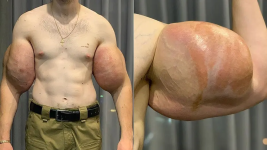
While some bodybuilders use Synthol as a quick fix for lagging muscle groups, its misuse often results in grotesque and unnatural physical appearances. Moreover, its use is associated with severe health risks.
Many users find it difficult to stop using Synthol once they begin. The temporary "enhancements" lead to a psychological dependency, where users feel they cannot achieve their desired physique without it.
The unnatural appearance resulting from Synthol injections often draws ridicule and criticism. Users may face judgment from peers, family, and the fitness community, leading to feelings of isolation and shame.
While Synthol may create the illusion of larger muscles, it offers no strength benefits and may even impair functionality. Users report difficulty performing basic tasks due to the rigidity and pain caused by Synthol-filled muscles.
Cases of extreme Synthol misuse often make headlines, showcasing individuals with grotesque muscle deformities. These stories serve as cautionary tales but also subject users to public humiliation.
Synthol is not approved for medical or cosmetic use in most countries. It is often sold online as an unregulated product, making it illegal and dangerous.
Can Synthol help build strength?
No. Synthol does not contribute to strength, endurance, or performance. It merely creates a temporary swelling effect in the muscles.
What happens if you stop using Synthol?
Over time, the body absorbs some of the oil, but scarring and deformity may remain. Muscle size will revert to its natural state, often leaving behind misshapen or damaged tissue.
What is Synthol?
Synthol is a mixture of 85% oil, 7.5% lidocaine (a painkiller), and 7.5% alcohol. Injected directly into muscle tissue, the oil sits in the muscle, creating the appearance of swelling or increased muscle size. Unlike anabolic steroids, Synthol does not enhance strength, endurance, or overall performance—it is purely cosmetic.While some bodybuilders use Synthol as a quick fix for lagging muscle groups, its misuse often results in grotesque and unnatural physical appearances. Moreover, its use is associated with severe health risks.
Physical Risks of Synthol Injection
Infections and Abscess Formation
Injecting foreign substances like Synthol into the body can lead to serious infections. Contaminated equipment or improper injection techniques increase the risk of abscesses, which may require surgical drainage and antibiotic treatment. Left untreated, infections can lead to sepsis, a life-threatening condition.Nerve and Vascular Damage
Synthol can inadvertently be injected into blood vessels or near nerves, causing significant complications. Injecting into a vein may lead to embolism (blockage), potentially resulting in a stroke, heart attack, or organ damage. Nerve damage from Synthol injections can cause chronic pain or numbness.Muscle Deformity
Synthol does not integrate with muscle tissue; it simply sits within it. Over time, this can lead to uneven muscle swelling, asymmetry, and deformity. Excessive Synthol use has led to grotesque "bubble" arms or other unnatural shapes that no longer resemble functional musculature.Tissue Necrosis
Improper Synthol injections can cut off blood supply to surrounding tissues, causing necrosis (tissue death). This can result in blackened, dead skin and muscles, requiring surgical intervention or even amputation in extreme cases.Systemic Health Issues
Synthol is a foreign substance not intended for human use. Its presence in the body can lead to systemic reactions such as inflammation, immune system compromise, and fat embolism syndrome (fat droplets entering the bloodstream and obstructing circulation).Psychological Consequences of Synthol Use
Synthol use is often linked to body dysmorphic disorder (BDD), a psychological condition where individuals obsess over perceived flaws in their appearance. The desire for "bigger" muscles can spiral into an unhealthy cycle of continuous Synthol use, further distorting body image.Many users find it difficult to stop using Synthol once they begin. The temporary "enhancements" lead to a psychological dependency, where users feel they cannot achieve their desired physique without it.
The unnatural appearance resulting from Synthol injections often draws ridicule and criticism. Users may face judgment from peers, family, and the fitness community, leading to feelings of isolation and shame.
Social and Professional Consequences
The fitness industry values hard work and dedication. Synthol use is widely seen as a shortcut that undermines the principles of bodybuilding and fitness. Users risk damaging their credibility and reputation in professional and personal spheres.While Synthol may create the illusion of larger muscles, it offers no strength benefits and may even impair functionality. Users report difficulty performing basic tasks due to the rigidity and pain caused by Synthol-filled muscles.
Cases of extreme Synthol misuse often make headlines, showcasing individuals with grotesque muscle deformities. These stories serve as cautionary tales but also subject users to public humiliation.
Safer Alternatives to Synthol
Synthol is never the answer for those seeking muscle growth and improved aesthetics. Instead, focus on:- Progressive Resistance Training: Building muscle through consistent and targeted strength training is the most effective and sustainable way to achieve a muscular physique.
- Proper Nutrition: A well-balanced diet rich in protein, healthy fats, and complex carbohydrates supports muscle growth and overall health.
- Rest and Recovery: Adequate sleep and recovery time are crucial for muscle repair and growth. Overtraining can hinder progress and lead to injuries.
- Natural Supplements: To enhance performance and recovery, consider using scientifically-backed supplements like whey protein, creatine, and branched-chain amino acids (BCAAs).
Frequently Asked Questions
Is Synthol legal?Synthol is not approved for medical or cosmetic use in most countries. It is often sold online as an unregulated product, making it illegal and dangerous.
Can Synthol help build strength?
No. Synthol does not contribute to strength, endurance, or performance. It merely creates a temporary swelling effect in the muscles.
What happens if you stop using Synthol?
Over time, the body absorbs some of the oil, but scarring and deformity may remain. Muscle size will revert to its natural state, often leaving behind misshapen or damaged tissue.