


- Messages
- 5,147
- Reaction score
- 2,188
- Points
- 113
Muscle recovery is a crucial component of any training regimen. After intense physical activity, the body undergoes a series of processes to repair muscle fibers, replenish energy stores, and restore overall balance. Factors such as sleep, nutrition, hydration, and stress management are well-known to influence the rate and efficiency of muscle recovery significantly.
Crying, typically associated with emotional experiences, introduces an interesting physiological variable. It raises an intriguing question:
Can crying play a role in muscle recovery?
Emotional crying triggers a complex hormonal cascade. Neurologically, it activates areas of the brain responsible for emotional regulation, such as the amygdala and hypothalamus.
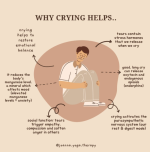
Simultaneously, crying stimulates the release of endorphins—natural chemicals that promote feelings of well-being and pain relief. Oxytocin, often referred to as the “love hormone,” is also released during crying episodes, fostering relaxation and social bonding.
These hormonal changes suggest that crying is more than an emotional response; it has physiological effects that can influence the body's internal balance.
Crying, particularly emotional crying, has been shown to lower cortisol levels by activating the parasympathetic nervous system. This branch of the autonomic nervous system induces a “rest and digest” state, counteracting the “fight or flight” response triggered by stress. Through this mechanism, crying helps shift the body into a more relaxed state, potentially enhancing the body’s capacity for healing.
Moreover, crying may provide emotional release and alleviate mental burdens that indirectly influence physical recovery. Reducing mental stress can improve sleep quality, appetite regulation, and adherence to other recovery protocols, all of which contribute to muscle repair.
Several studies have investigated the effects of emotional stress and relaxation techniques on physical health. These studies indicate that interventions reducing stress—whether through meditation, therapy, or emotional release like crying—can promote better immune function, faster tissue repair, and improved overall recovery outcomes.
While research specifically focusing on crying and muscle recovery is limited, findings in stress physiology suggest that emotional relief lowers cortisol and improves recovery markers. Crying is one of many natural stress relievers that may indirectly support muscle healing by fostering a more favorable hormonal environment.
Sports scientists emphasize that while crying can contribute to stress relief, people should not view it as a primary recovery strategy. Psychologists, on the other hand, highlight that emotional expression—including crying—prevents emotional suppression, which is known to exacerbate physical tension and stress.
When compared to other recovery methods like sleep, nutrition, hydration, and active recovery exercises, crying serves a more supplementary role. It may enhance recovery indirectly by reducing psychological stress, but it cannot replace the fundamental pillars of physical restoration.
Mind-body techniques such as meditation, deep breathing exercises, and mindfulness practices reduce cortisol levels and promote relaxation. These benefits are similar to those seen with emotional crying, but they are often more structured and sustainable over time.
Consistent stress management routines, combined with traditional recovery techniques, offer the most comprehensive path to efficient muscle repair and overall well-being.
Crying may contribute to muscle recovery indirectly by lowering stress hormones like cortisol, which otherwise hinder the healing process. However, it should be considered a supportive, not primary, method of recovery.
Does crying reduce muscle soreness?
There is no direct evidence that crying reduces muscle soreness. Its potential benefit lies in stress reduction, which can improve sleep and overall recovery conditions, indirectly influencing soreness.
Is emotional health important for muscle growth?
Yes, emotional health plays a critical role. High stress levels and poor emotional regulation can elevate cortisol and negatively impact muscle growth and repair. Maintaining emotional balance supports more effective physical recovery.
Crying, typically associated with emotional experiences, introduces an interesting physiological variable. It raises an intriguing question:
Can crying play a role in muscle recovery?
The Science Behind Crying
Humans cry for various reasons, broadly categorized into emotional tears and reflexive tears. The body produces reflexive tears to protect and lubricate the eyes, while emotional tears are for psychological experiences such as sadness, frustration, or relief.Emotional crying triggers a complex hormonal cascade. Neurologically, it activates areas of the brain responsible for emotional regulation, such as the amygdala and hypothalamus.
Simultaneously, crying stimulates the release of endorphins—natural chemicals that promote feelings of well-being and pain relief. Oxytocin, often referred to as the “love hormone,” is also released during crying episodes, fostering relaxation and social bonding.
These hormonal changes suggest that crying is more than an emotional response; it has physiological effects that can influence the body's internal balance.
How Crying May Influence Muscle Recovery
One key way crying may intersect with muscle recovery is through stress reduction. Physical stress from exercise, combined with emotional or mental stress, leads to elevated cortisol levels. Cortisol, known as the primary stress hormone, is notorious for impeding muscle repair, increasing muscle soreness, and prolonging recovery time.Crying, particularly emotional crying, has been shown to lower cortisol levels by activating the parasympathetic nervous system. This branch of the autonomic nervous system induces a “rest and digest” state, counteracting the “fight or flight” response triggered by stress. Through this mechanism, crying helps shift the body into a more relaxed state, potentially enhancing the body’s capacity for healing.
Moreover, crying may provide emotional release and alleviate mental burdens that indirectly influence physical recovery. Reducing mental stress can improve sleep quality, appetite regulation, and adherence to other recovery protocols, all of which contribute to muscle repair.
The Connection Between Stress, Hormones, and Muscle Repair
Scientific evidence consistently shows that elevated stress hormones, especially cortisol, delay muscle recovery. High cortisol levels result in prolonged inflammation, disrupted sleep patterns, and impaired protein synthesis, all of which are detrimental to muscle healing.Several studies have investigated the effects of emotional stress and relaxation techniques on physical health. These studies indicate that interventions reducing stress—whether through meditation, therapy, or emotional release like crying—can promote better immune function, faster tissue repair, and improved overall recovery outcomes.
While research specifically focusing on crying and muscle recovery is limited, findings in stress physiology suggest that emotional relief lowers cortisol and improves recovery markers. Crying is one of many natural stress relievers that may indirectly support muscle healing by fostering a more favorable hormonal environment.
Does Crying Actually Help? What Experts Say
Experts in sports science and psychology generally agree that emotional well-being equates to physical health. Research on emotional regulation reveals that individuals who manage stress effectively tend to experience better immune function, faster recovery, and fewer instances of chronic inflammation.Sports scientists emphasize that while crying can contribute to stress relief, people should not view it as a primary recovery strategy. Psychologists, on the other hand, highlight that emotional expression—including crying—prevents emotional suppression, which is known to exacerbate physical tension and stress.
When compared to other recovery methods like sleep, nutrition, hydration, and active recovery exercises, crying serves a more supplementary role. It may enhance recovery indirectly by reducing psychological stress, but it cannot replace the fundamental pillars of physical restoration.
Best Practices for Muscle Recovery
Effective muscle recovery relies on a multifaceted approach. Sleep remains one of the most powerful tools, as it facilitates the release of growth hormones essential for tissue repair. Proper hydration ensures optimal circulation and nutrient delivery to muscles, while balanced nutrition provides the necessary proteins, carbohydrates, and fats for recovery.Mind-body techniques such as meditation, deep breathing exercises, and mindfulness practices reduce cortisol levels and promote relaxation. These benefits are similar to those seen with emotional crying, but they are often more structured and sustainable over time.
Consistent stress management routines, combined with traditional recovery techniques, offer the most comprehensive path to efficient muscle repair and overall well-being.
Frequently Asked Questions
Can crying speed up muscle recovery?Crying may contribute to muscle recovery indirectly by lowering stress hormones like cortisol, which otherwise hinder the healing process. However, it should be considered a supportive, not primary, method of recovery.
Does crying reduce muscle soreness?
There is no direct evidence that crying reduces muscle soreness. Its potential benefit lies in stress reduction, which can improve sleep and overall recovery conditions, indirectly influencing soreness.
Is emotional health important for muscle growth?
Yes, emotional health plays a critical role. High stress levels and poor emotional regulation can elevate cortisol and negatively impact muscle growth and repair. Maintaining emotional balance supports more effective physical recovery.