


- Messages
- 5,148
- Reaction score
- 2,287
- Points
- 113
Boxing has experienced a resurgence in mainstream media. Overwhelmed by other combat sports and entertainment industries, boxing is reaching a broader audience through digital media. A new generation of fans of the sport is now consuming highlights, fighter updates, and event promotions via social media.
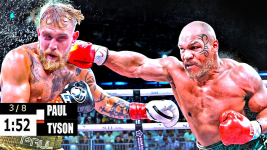
It is no longer a marketing tool; social media is a force that has helped shape boxing as a sport with global appeal and cultural relevance.
Social media platforms are very important in fight promotion and often outstrip traditional advertising in reach and engagement. The fighters and promoters use these to announce fights, build anticipation, and interact with fans live.
The algorithms on YouTube and Instagram push combat sports content to the forefront - boxing remains part of the global sports conversation.
These fights draw huge social engagement, often streaming on YouTube and DAZN, and show that digital-first events can compete with pay-per-view bouts.
YouTube boxing brought younger demographics into the sport as a bridge between mainstream boxing and influencer-driven entertainment. Some purists question whether influencer fights are legitimate, but boxing still has a huge following online.
The debate continues over whether this trend benefits or dilutes the sport, but the numbers suggest that influencer-driven boxing is here to stay.
Social media presence influences sponsorship deals and brand partnerships. Huge followings attract endorsement deals.
Many boxers also post behind-the-scenes content, such as training routines, recovery methods, and personal stories, that builds fan loyalty and keeps audiences interested between fights.
As digital promotions gain steam, traditional pay-per-view models are clearly dying. Though major fights remain pay-per-view revenue-based, social media-driven events often generate revenue through sponsorships or live-streaming monetization. Exclusive social media deals with boxing organizations further blur the lines between entertainment and professional competition.
Social media reshaped how fans engage with the sport. Memes and fan-driven narratives shape public perceptions of fighters, sometimes making unknown athletes instant stars. Online discussions build hype about upcoming fights, with fans participating in debates, predictions, and event discussions across platforms.
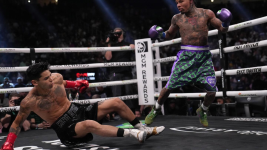
This digital marketing clearly affects pay-per-view numbers as more events rely on social media to drive sales. Boxing will become even more connected to streaming services and interactive digital experiences that extend beyond fight nights.
Boxing influencers include Jake Paul, KSI, and Ryan Garcia, who use social media to promote their fights and engage fans. Veteran fighters such as Canelo Alvarez and Tyson Fury also leverage their platforms to engage audiences and brand themselves.
Which viral moments affect boxing's popularity?
The knockout clips, trash talk exchanges, and dramatic weigh-in moments spread quickly to new fans and increased event hype. Such viral moments elevate a fighter and often boost ticket sales.
What happens next in boxing - will social media stay with the sport?
Social media will undoubtedly continue to drive boxing promotions, fighter branding, and audience engagement. As digital media formats and interactive experiences change, boxing will also evolve.
It is no longer a marketing tool; social media is a force that has helped shape boxing as a sport with global appeal and cultural relevance.
The Rise of Boxing on Social Media
Viral content made boxing more visible. Kickout clips, intense face-offs, and post-fight celebrations spread quickly to millions on Instagram and Twitter in just hours. The algorithmic social network TikTok has extended boxing to new audiences that might not otherwise follow the sport.Social media platforms are very important in fight promotion and often outstrip traditional advertising in reach and engagement. The fighters and promoters use these to announce fights, build anticipation, and interact with fans live.
The algorithms on YouTube and Instagram push combat sports content to the forefront - boxing remains part of the global sports conversation.
Influencer and YouTube Boxing’s Impact
Boxing's popularity has grown because of influencer boxing. Even events featuring internet personalities like Jake Paul and KSI have drawn millions of viewers who may not have followed boxing otherwise.These fights draw huge social engagement, often streaming on YouTube and DAZN, and show that digital-first events can compete with pay-per-view bouts.
YouTube boxing brought younger demographics into the sport as a bridge between mainstream boxing and influencer-driven entertainment. Some purists question whether influencer fights are legitimate, but boxing still has a huge following online.
The debate continues over whether this trend benefits or dilutes the sport, but the numbers suggest that influencer-driven boxing is here to stay.
How Fighters Use Social Media to Build Their Brands
Nowadays, boxers are much more than athletes—they are personal brands. Social media gives fighters direct access to their fans, allowing them to control their narratives, promote upcoming fights, and engage with audiences. Instagram Live sessions, Twitter Q&As, and viral TikTok challenges keep fans invested beyond fight nights.Social media presence influences sponsorship deals and brand partnerships. Huge followings attract endorsement deals.
Many boxers also post behind-the-scenes content, such as training routines, recovery methods, and personal stories, that builds fan loyalty and keeps audiences interested between fights.
The Role of Streaming Platforms in Boxing’s Growth
Streaming platforms are changing how fans watch boxing. Access to fight coverage via services like DAZN, YouTube, and Twitch is possible without the constraints of traditional cable pay-per-view models. Such platforms often partner with social media influencers and promotions to drive viewership, making boxing more accessible to digital-first audiences.As digital promotions gain steam, traditional pay-per-view models are clearly dying. Though major fights remain pay-per-view revenue-based, social media-driven events often generate revenue through sponsorships or live-streaming monetization. Exclusive social media deals with boxing organizations further blur the lines between entertainment and professional competition.
Viral Moments and Their Effect on Boxing Popularity
Viral moments in the resurgence of boxing have had an enormous impact. A single knockout clip might circulate across multiple platforms, attract casual viewers, and generate mass interest. Fights where fighters effectively sell themselves via trash talk, meme-worthy moments, and dramatic face-offs tend to see increased engagement and ticket sales.Social media reshaped how fans engage with the sport. Memes and fan-driven narratives shape public perceptions of fighters, sometimes making unknown athletes instant stars. Online discussions build hype about upcoming fights, with fans participating in debates, predictions, and event discussions across platforms.
The Future of Boxing in the Social Media Era
Old-fashioned boxing has to adapt to the influencer-driven content model. Digital marketing strategies will always be important in fighting fever, ticket sales, and attracting audiences. Fighting as a main engagement channel will probably succeed in building brands and landing big fights.This digital marketing clearly affects pay-per-view numbers as more events rely on social media to drive sales. Boxing will become even more connected to streaming services and interactive digital experiences that extend beyond fight nights.
Frequently Asked Questions
Which boxing influencers do you follow online?Boxing influencers include Jake Paul, KSI, and Ryan Garcia, who use social media to promote their fights and engage fans. Veteran fighters such as Canelo Alvarez and Tyson Fury also leverage their platforms to engage audiences and brand themselves.
Which viral moments affect boxing's popularity?
The knockout clips, trash talk exchanges, and dramatic weigh-in moments spread quickly to new fans and increased event hype. Such viral moments elevate a fighter and often boost ticket sales.
What happens next in boxing - will social media stay with the sport?
Social media will undoubtedly continue to drive boxing promotions, fighter branding, and audience engagement. As digital media formats and interactive experiences change, boxing will also evolve.
Last edited by a moderator: